

This Isn't About Equal Time. It's About Power
By Marie Brophy, Managing Editor and Writer at The Union


In June, the Federal Communications Commission ordered an early license review of eight ABC stations owned and operated by Disney, including my local station, WPVI, in Philadelphia.
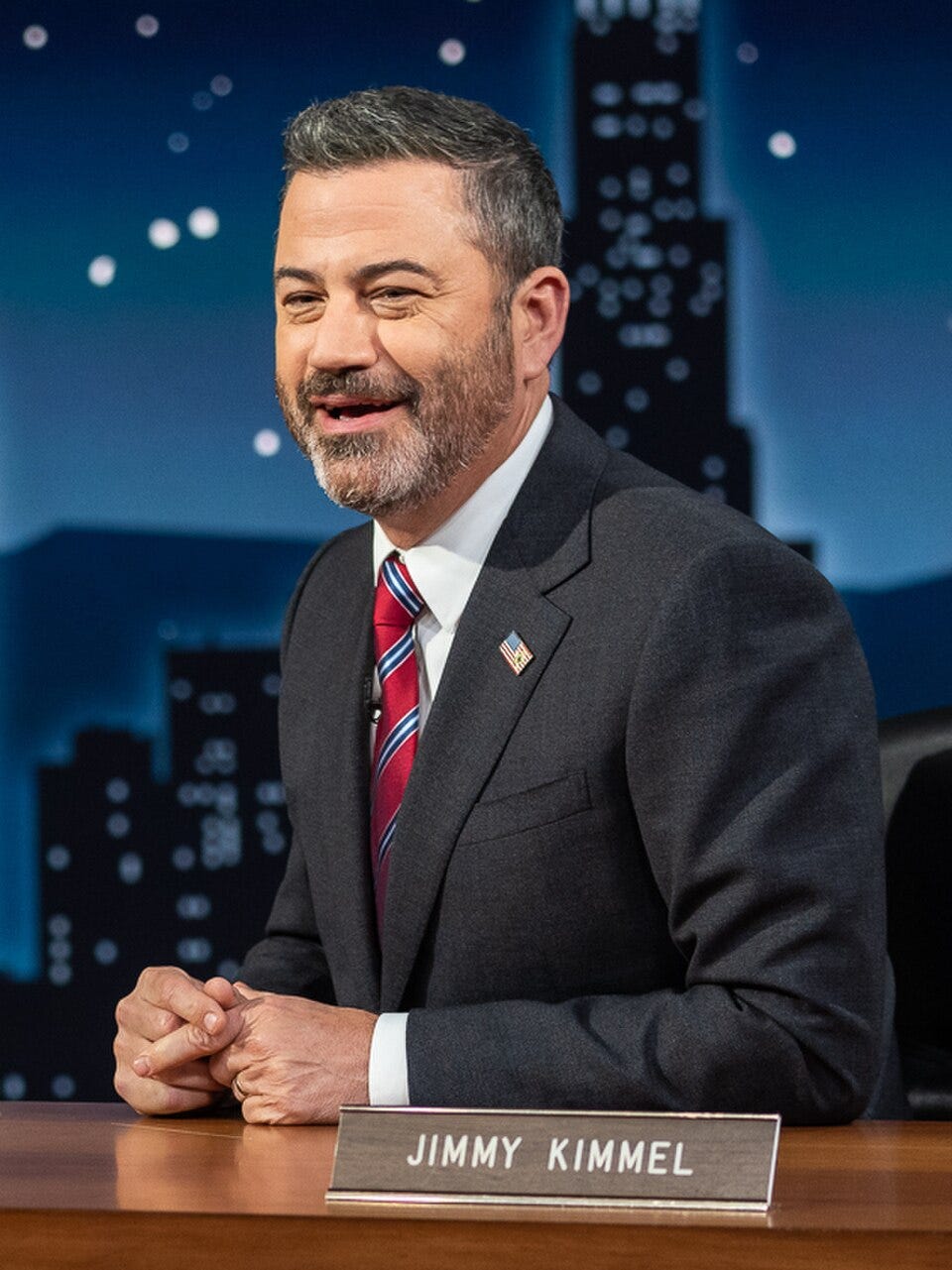
The argument floated by some supporters of the move is that programs such as The View and, to a lesser extent, Jimmy Kimmel Live!, violate the principle of “equal time” because their hosts and panelists often express viewpoints that are critical of Donald Trump and his administration.
At first glance, that argument may sound reasonable. Shouldn’t broadcasters be fair?
The issue isn’t nearly as simple as many people make it.
We need to take a look at the evolution of federal broadcast regulations. What does the Equal Time Rule say? Why does the current controversy raise larger questions about free speech, political power, and the role of government in the media? (Editor note: We have included mainstream legal and academic definitions in these embedded links.)
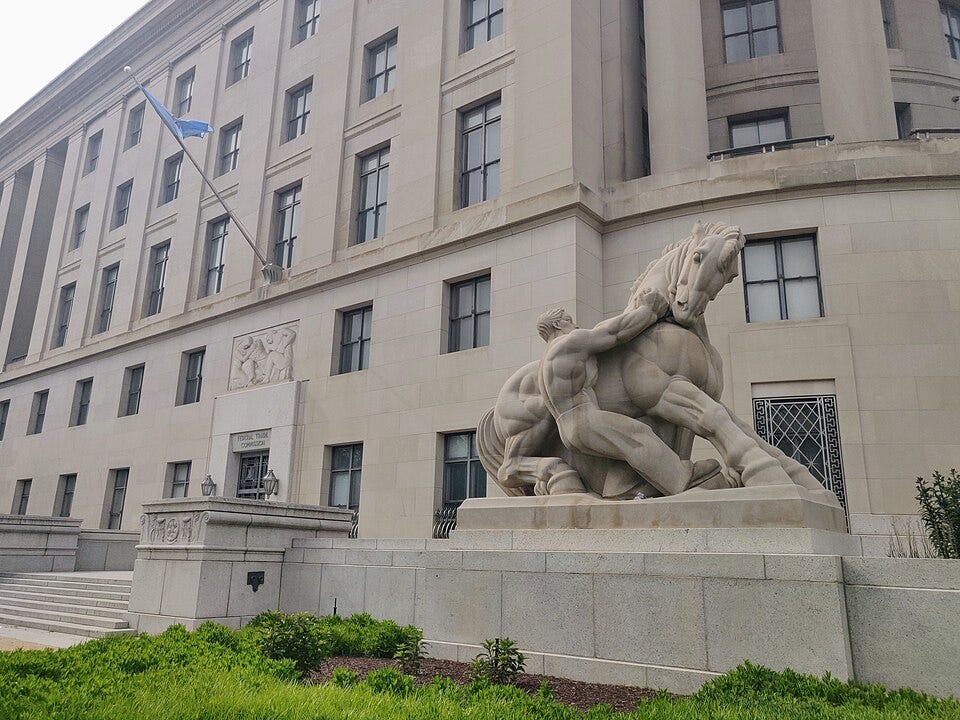
The Equal Time Rule is one of the most misunderstood concepts in American broadcasting. Simply, it generally requires broadcasters to provide comparable opportunities to legally qualified political candidates.
If Candidate A receives a certain amount of airtime in a campaign context, Candidate B may be entitled to a comparable opportunity. The rule was designed primarily for elections. It was never intended to require every television host, comedian, commentator, or talk show panelist to provide equal representation for every political viewpoint.
Applying the Equal Time Rule to programs like The View or Jimmy Kimmel Live! is, at best, a stretch. More importantly, the current dispute does not exist in a vacuum.
Donald Trump has spent years attacking media organizations that provide coverage he dislikes, frequently labeling unfavorable reporting as “fake news.” His administration’s conflicts with major news organizations have become a defining feature of today’s political landscape.
As examples of efforts to pressure news organizations, critics point to Trump’s 2025 lawsuit against CBS over a 60 Minutes interview (with Kamala Harris in 2024, not his own interview). Also, the ongoing scrutiny involving media mergers requiring federal approval, and his repeated attacks on public broadcasters have impacted the current landscape of the media. (Editor: This impacts press freedom in eyes of the world.)
Agree or not, it is impossible to discuss the ABC situation without acknowledging this history.
The Forgotten History of the Fairness Doctrine
The answer to today’s controversy may lie in a largely forgotten chapter of broadcast regulation. In 1949, when television was still in its infancy and radio dominated the airwaves, the FCC adopted what became known as the Fairness Doctrine.
For decades, viewers saw the effects of this policy without even realizing it.
Some may remember station editorials followed by editorial replies. Stations often aired disclaimers noting that the opinions expressed did not necessarily reflect the views of the station, its ownership, or its sponsors. The goal was not ideological neutrality. The goal was ensuring that public airwaves, which were licensed by the federal government, included a variety of perspectives. Then, the Reagan era changed that for all of us.
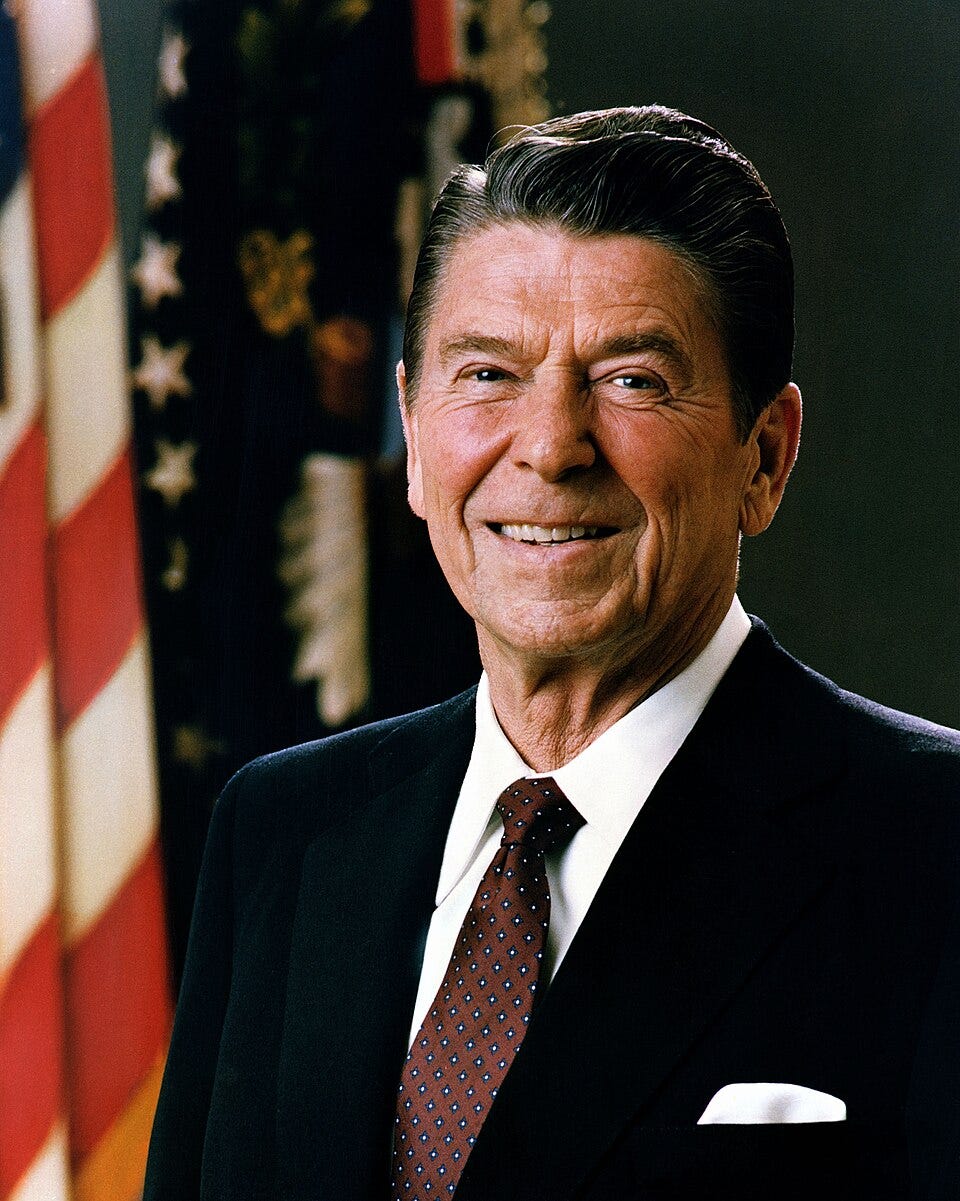
In 1987, FCC Chairman Mark Fowler argued that the Fairness Doctrine infringed upon First Amendment rights by allowing government regulators to influence editorial decisions. That August, the FCC voted unanimously to repeal the doctrine.
The decision was hailed by many conservatives and free speech advocates as a victory against government interference in the marketplace of ideas. This history matters as it exposes a striking irony in today’s debate.
The Irony of 2026
For decades, conservatives argued that the government should not be involved in determining what viewpoints broadcasters should present.
The Fairness Doctrine, they said, gave regulators too much power over speech.
Yet, nearly forty years later, some of those same voices are demanding federal scrutiny of broadcasters because they dislike the viewpoints expressed by television hosts, comedians, and commentators.
This contradiction sits at the heart of the current fight involving ABC. If The View panelists criticize Donald Trump, they are exercising their First Amendment rights.
If Jimmy Kimmel uses his monologue to mock politicians, he is doing what late-night comedians have done for generations. (America 250 Bonus: Editor: Not only in TV history - from the beginning of our history.)
One can disagree with their opinions. One can change the channel. But attempting to transform those opinions into a licensing issue is an entirely different matter.
The ABC license review is part of a deliberate, damaging pattern. Trump maintains a long-running feud with The View dating back years. He repeatedly attacks Jimmy Kimmel for jokes made during his monologues. He publicly criticizes news organizations whose reporting he finds unfavorable. He celebrated the cancellation of The Late Show with Stephen Colbert, a move that generated significant debate as it occurred while Paramount was pursuing a merger requiring federal approval. Critics viewed the timing as troubling. Supporters dismissed the concerns. Regardless of where one stands, the pattern is difficult to ignore.
Trump announced plans to pursue legal action against ABC News over coverage related to conditions at the Lincoln Memorial reflecting pool. Each dispute may appear unrelated. However, they paint a picture of an administration increasingly willing to use government power, regulatory pressure, and legal threats against media organizations that produce coverage it dislikes. That should concern Americans regardless of their political affiliation.
Some have argued that local stations are safe, even if Disney faces pressure. This is not necessarily true. The stations involved in the current review are owned-and-operated stations (known in the industry as O&Os). (Editor note: America 250 bonus link for media history)
These stations are directly owned by Disney, and actions targeting the parent company can have direct implications for the stations themselves. In Philadelphia, that means WPVI. In New York, it means WABC..
The same applies to the other affected stations. The same applies to the other affected stations. Had these been independently owned affiliates, the situation would look very different. But because they are owned by the network itself, the distinction between the local station and the parent company becomes much less meaningful.
That is why the stations have responded so forcefully. WPVI’s statement noted that 6ABC has served the Philadelphia region for nearly 80 years and warned that the FCC’s actions could ultimately threaten the station’s ability to remain on the air. For viewers, this is not an abstract corporate dispute. It directly affects local news operations that millions of Americans rely upon every day.
The real, bigger question isn’t whether you like The View. It isn’t whether you find Jimmy Kimmel funny. It isn’t even whether you think ABC News is fair. The question is whether the federal government should be using its regulatory authority to pressure media organizations because elected officials dislike what is being said about them. History shows that politicians of every party eventually find criticism uncomfortable. That is why the First Amendment exists.
A free press is not designed to make those in power comfortable. It is designed to hold them accountable. Ironically, the Fairness Doctrine was repealed in the name of protecting free speech from government interference. Today we are witnessing efforts to scrutinize broadcasters not because of technical failures, public safety concerns, or violations of broadcasting standards, but because of speech.
Now, the target may be ABC. Soon, it could be another network, another station, another newsroom, or another commentator. Once government licensing authority becomes a tool for settling political scores, the debate is no longer about media bias. It becomes a debate about political power. This story is bigger than Disney. It's bigger than ABC. It's bigger than Donald Trump. It is about whether Americans want a media system that answers to viewers or one that increasingly feels compelled to answer to politicians. That question should concern all of us.
About the Author
Marie Brophy is a writer and managing editor for The Union Substack, a media scholar with a BA in Communication from Rider University, and the director of Social Media & Grassroots Education for The Union’s partner organization, BlueVote.org where she is also the creator and facilitator of their flagship anti-disinformation workshop.
The opinions expressed by volunteer contributors belong to them and do not necessarily reflect the positions of The Union , a single issue organization that welcomes all and is dedicated to protecting democracy. Please donate to support The Union